
01
Psychologists
Professionals holding a university degree in psychology.
The second part of the ICEEFT certification programme — advanced training in the core EFT skills. It consists of two three-day master classes with a total duration of 48 hours and is built around two modules: Advanced Course 1/2 (Core Skills 1/2) and Advanced Course 3/4 (Core Skills 3/4). The training is held in small groups. During the course, participants are required to complete group supervision by submitting a recording of their work with a couple.
Within the general context of the EFT tango process, each of the advanced courses is dedicated to specific stages and steps of the therapeutic process, to the therapeutic tasks and interventions characteristic of these stages. The work with EFT turning point events is covered in detail: engaging the distancing partner and softening the pursuing partner.

The programme is open to professionals and students whose educational background meets one of the following requirements.
Professionals holding a university degree in psychology.
Students currently enrolled in a university-level psychology programme.
Professionals holding a university degree in medicine, education or sociology who have completed at least two years of professional retraining in psychological counselling.
An introduction to the model, the logic of the therapeutic process and the core EFT interventions.
Advanced skills development through the Core Skills 1/2 and Core Skills 3/4 modules.
Review of clinical practice and development of therapeutic skills under the guidance of certified professionals.
Clinical case review and submission of certification materials to ICEEFT.
Emotionally Focused Therapy is a research-based approach developed in the 1980s by Dr Sue Johnson. The method is grounded in attachment theory and treats the emotional bond as the foundation of stable and secure relationships.
Today EFT is applied in work with couples, families and individual clients. The development of the approach gave rise to EFIT — individual Emotionally Focused Therapy — and EFFT — Emotionally Focused Family Therapy.
Learn More About EFT
Attachment theory, humanistic and systemic perspectives, core principles and processes of change.
Helping couples recognise their negative interactional cycles and gradually move beyond them.
Building a therapeutic alliance, safety and emotional attunement with clients.
The three stages and nine steps of Emotionally Focused Therapy.
Creating a safe space for partners to access emotional needs and develop new ways of connecting.
The core system of interventions used across different stages and formats of EFT.
The method is supported by extensive research.
Applied in work with couples, families and individual clients.
The model adapts to the unique needs of the client and the couple.
The approach is focused on changing repetitive emotional and behavioural cycles.
A clear map of the process helps the therapist keep the work directed.
The work is directed at forming a secure attachment and a more resilient connection.
The therapy is aimed at lasting changes in emotional interaction.
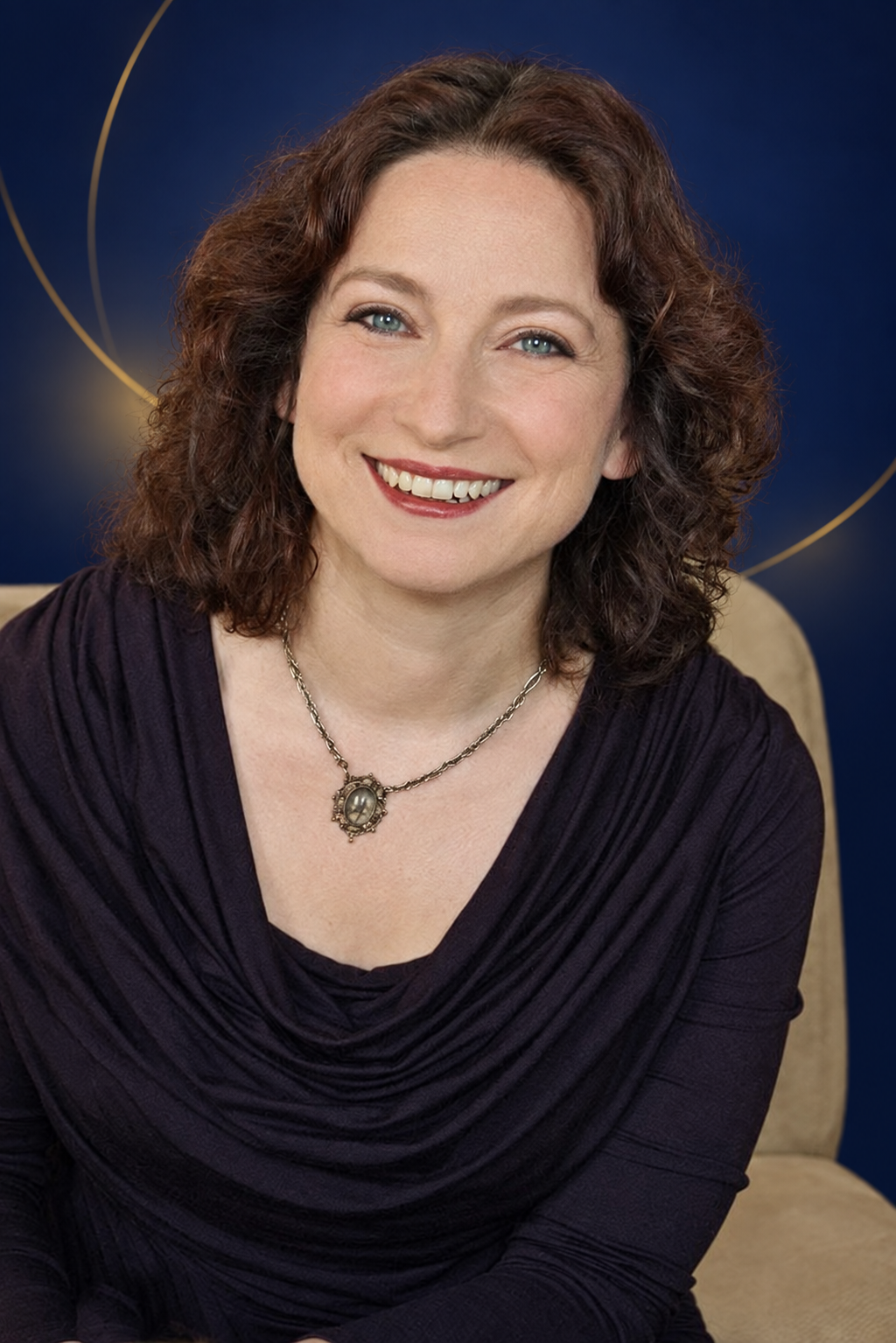
Clinical psychologist and specialist in crisis intervention, certified EFT supervisor and trainer of the International Centre for Excellence in Emotionally Focused Therapy — ICEEFT. Vice-President of the Board of Directors and Chair of the Education Committee of the Center for Emotionally Focused Therapy in New York.
The training helps a specialist build a clear map of the therapeutic process, develop skills for working with the emotional cycles of a couple and hold a confident therapeutic position.
Research shows that 70–75% of couples move from distress to relationships marked by more secure attachment as a result of therapy, and nearly 90% maintain the results achieved over time.
Upon completion of the training, participants receive an international ICEEFT course certificate — the International Centre for Excellence in Emotionally Focused Therapy.
Develop greater clarity, confidence and precision in your work with couples through advanced EFT training.
Register for the Programme