
7 live sessions, 2 hours each
*Limited number of seats per group
September 10, 2025
October 13, 2025
November 10, 2025
December 01, 2025
January 12, 2026
February 23, 2026
March 09, 2026
Time: 10:00–12:00 CET
A new supervision project
Supervision through the lens of DMM
Attachment strategies in the focus of professional observation
We are opening a new ambitious project where supervision becomes a space for deep observation and understanding. At the centre of attention are the attachment strategies of the clients we work with across the most diverse therapeutic modalities.
What once saved a client is still at work today — but now it no longer protects from danger, but from closeness, change and feelings.
Through the review of client video recordings we will explore how one and the same strategy can be both a protection and an obstacle — a trap.
The DMM lens makes it possible to see deeper patterns behind habitual reactions, to understand their motivation and history of development, as well as the direction of movement towards the desired changes. This helps not only to fine-tune the therapeutic process, but also to build a clearer plan for real, sustainable change.
For specialists who are familiar with the DMM model and are ready to expand their professional tools beyond its limits
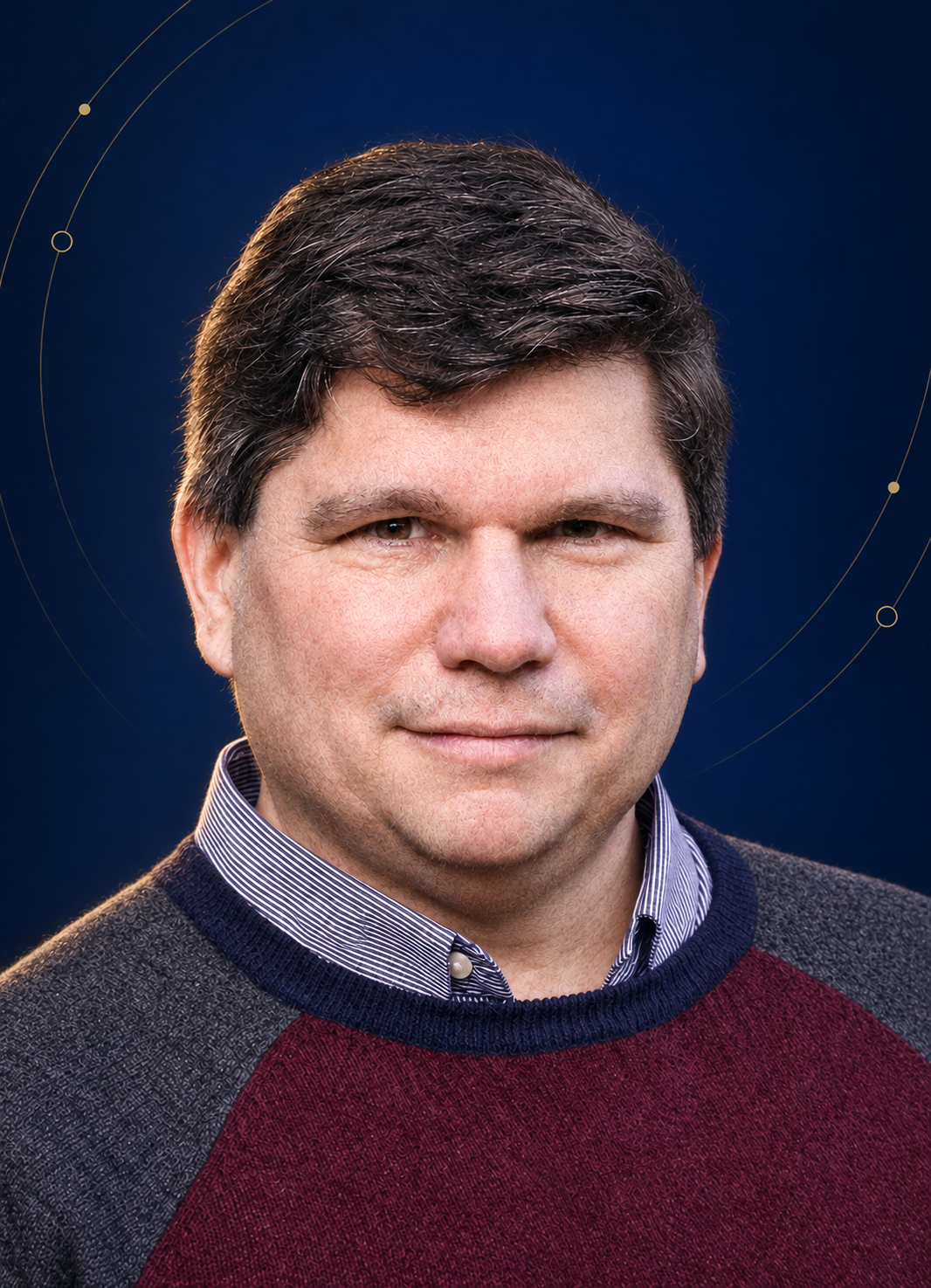
Trainer
Clark Baim
UKCP · BPA · PhD
registered psychotherapist (UKCP), registered senior trainer and clinical supervisor of the British Association of Psychodrama
Clark Baim is a PhD, a member of UKCP and BPA, a registered psychotherapist (United Kingdom Council for Psychotherapy) and a registered senior trainer and clinical supervisor of the British Association of Psychodrama. He is a Fellow of the Institute of Family Relations.
Clark spent twenty years studying attachment theory and the Dynamic-Maturational Model of attachment (DMM) with Dr Patricia Crittenden. He developed and, together with Tony Morrison, delivered the popular four-day attachment-based interview course. Together with Tony Morrison he wrote the book "Attachment-Based Practice with Adults: Understanding Strategies and Facilitating Positive Change" (2011 / 2023, Pavilion), and he is also co-author of "Attachment-Based Practice with Children, Adolescents and Families" (Pavilion, 2022). He publishes widely on attachment theory, psychodrama, working with offenders, supervision and group work. He is Co-Director of the Birmingham Institute of Psychodrama.